

Blog
ArborScape
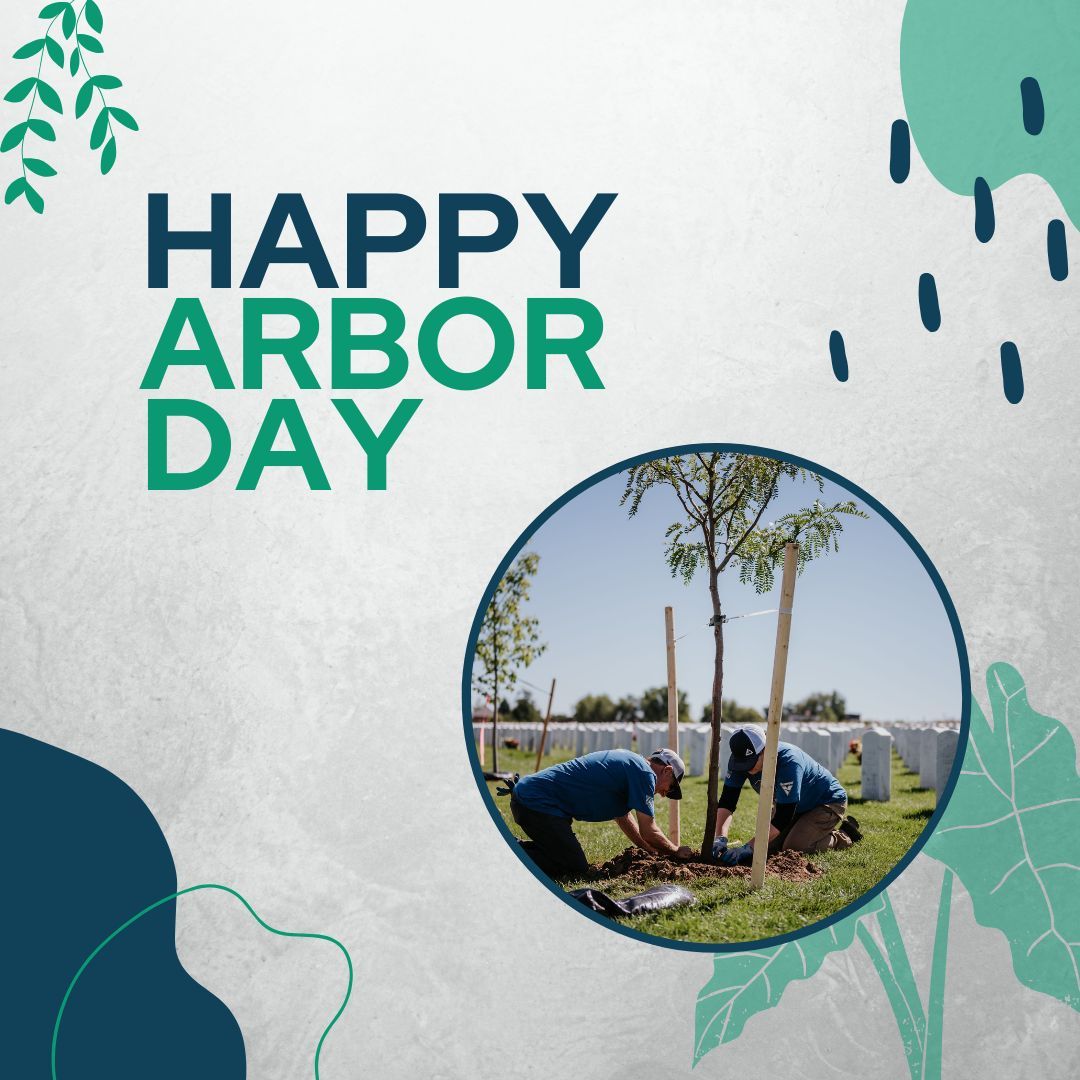
Celebrate Arbor Day at ArborScape by learning how our certified arborists can provide Denver with exceptional tree care!

David Merriman called as expert panelist to speak on experience with apprenticeships for Elevate Colorado
Studies are showing that Colorado trees are being ravaged by insects , but ArborScape’s tree spraying services are here to keep your trees healthy throughout the seasons. It’s been noted that the fluctuating weather seems to be the main cause as to why our trees have become so susceptible to a variety of pests that can cause insurmountable disease and other damage to our trees here. Each tree we see here in Colorado has different needs, whether it’s a native or non-native species. But what every tree needs is stability, even with season changes. Without that stable weather a tree has grown accustomed to, it can respond in a similar way that we get sick; with various symptoms that open our immune system to other attacks. However, there are actions to take that help prevent these attacks or at least help mitigate the symptoms until we’re healed. And we can do the same with trees. Most of the time, tree spraying is used once insects have already attacked your trees. This is typically because you don’t notice symptoms until the infestation has begun. But tree spraying can also be used as a preventative treatment to give your trees the extra boost they need to protect themselves from an array of issues. While there are some tips and tricks to do on your own to protect your trees, such as properly watering and mulching to maintain health. But sometimes it’s best to call in the professionals. Here at ArborScape, our arborists have the expertise, and knowledge of the terrain, to both treat and prevent the stress that pests can bring about. Learn more about our pest control treatments below.

This is a subtitle for your new post
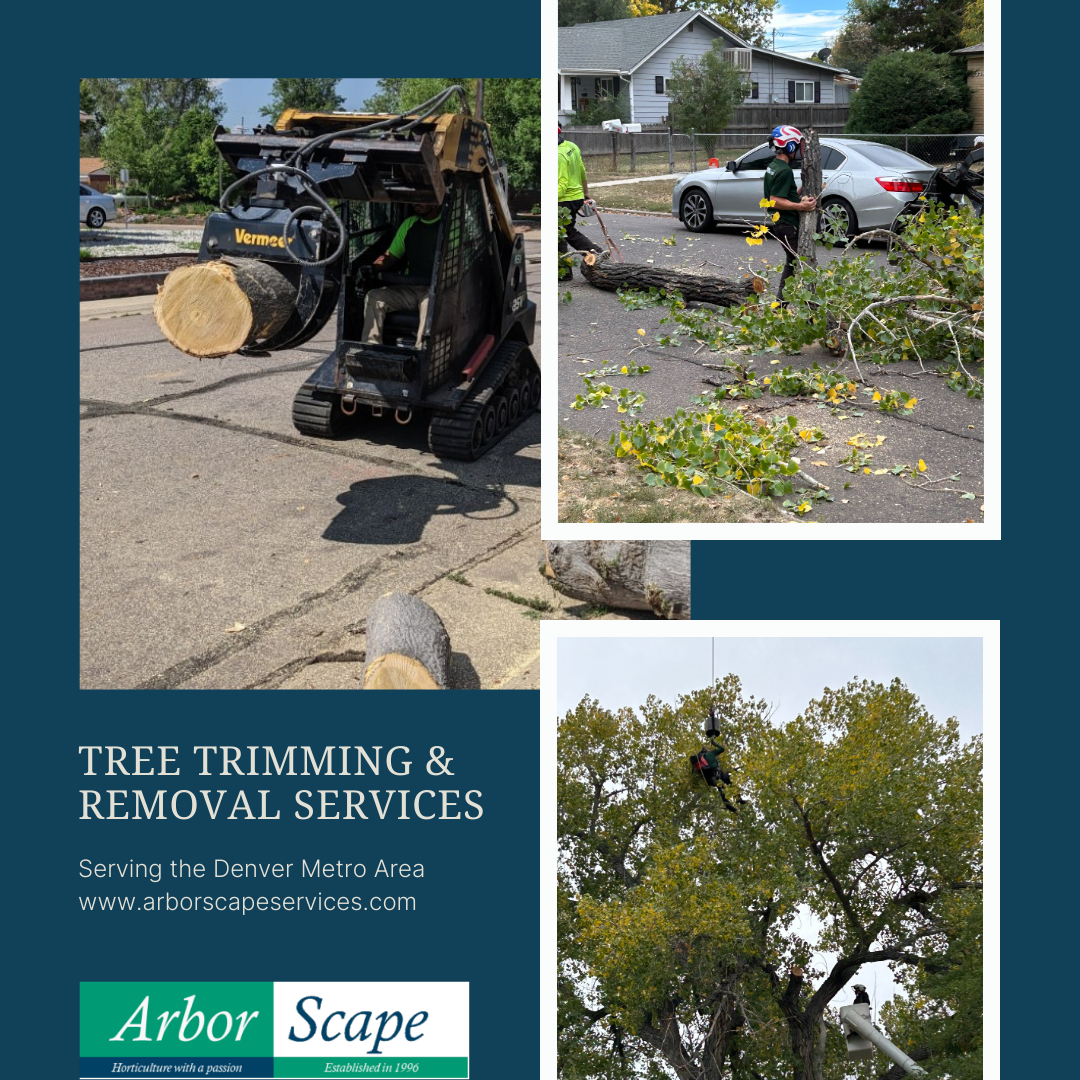
With warmer weather, we’re finally starting to see the buds on the trees starting to burst through! However, with this new growth, it’s easy to see where there isn’t growth. But don’t panic over dying tree limbs or a diseased trunk! This is where ArborScape’s tree trimming and removal services come in handy. While it’s easy to dismiss wiley branches in the winter, spring can make it pretty obvious where the dead or diseased branches are, as the limbs will appear sparse and sometimes discolored. We offer quite a few services that can be important for the overall health of your trees, and our certified arborists are happy to provide free estimates with a variety of options for optimal tree health- whether that be tree trimming, a full removal, or even insect control and root fertilizations.
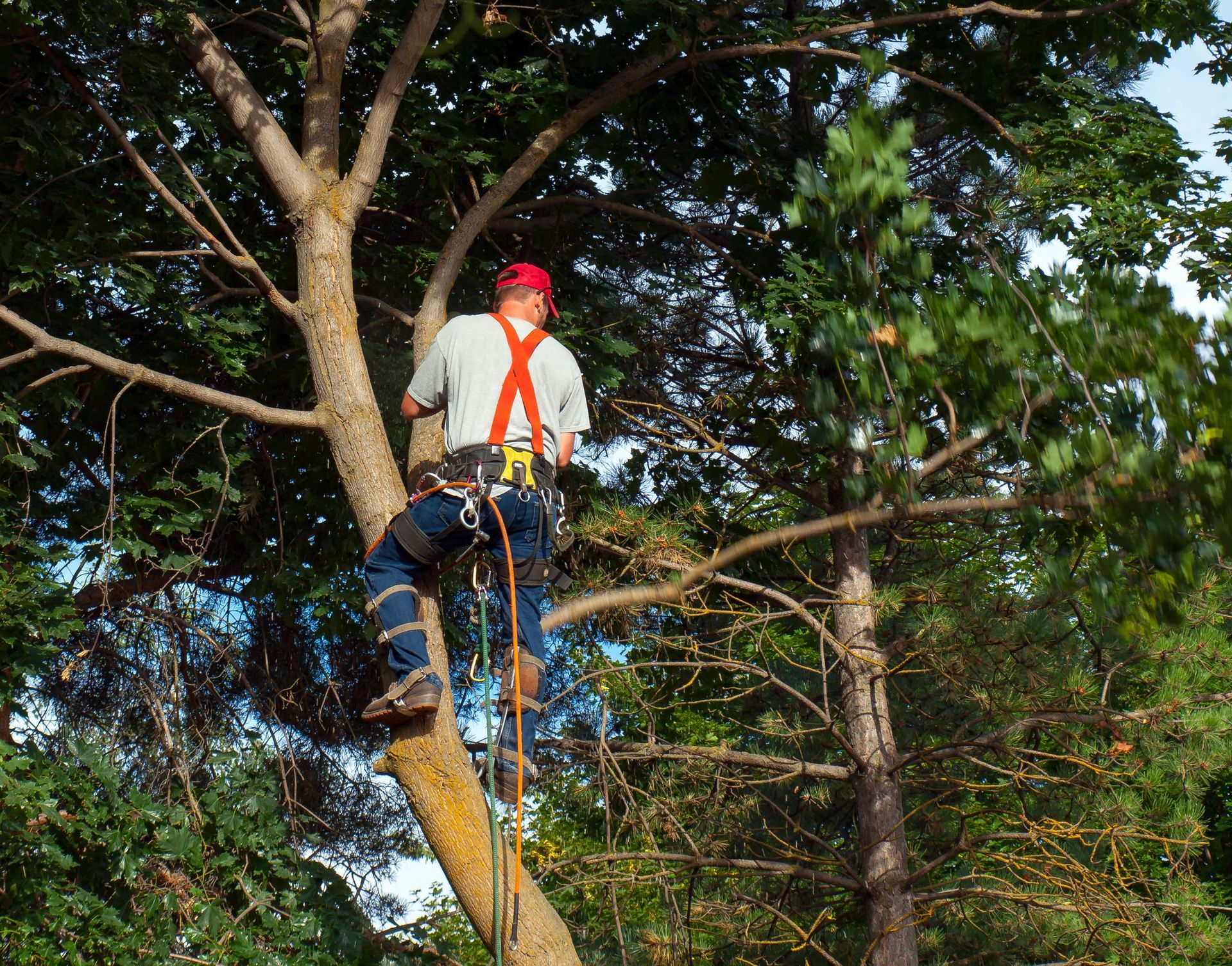
Professional tree services are essential for maintaining your property. When choosing a tree care company, here are the top questions you should ask.

If you’re looking for a certified arborist , ArborScape Tree Services is the way to go! We are licensed and insured to help you with all your tree care needs. Here, you’ll learn how we keep up to date with the industry’s latest standards and continue our understanding of essential tree care in Denver. By keeping up to date on the latest industry standards and current events, our arborists can assist you no matter what your Colorado tree care requirements are.
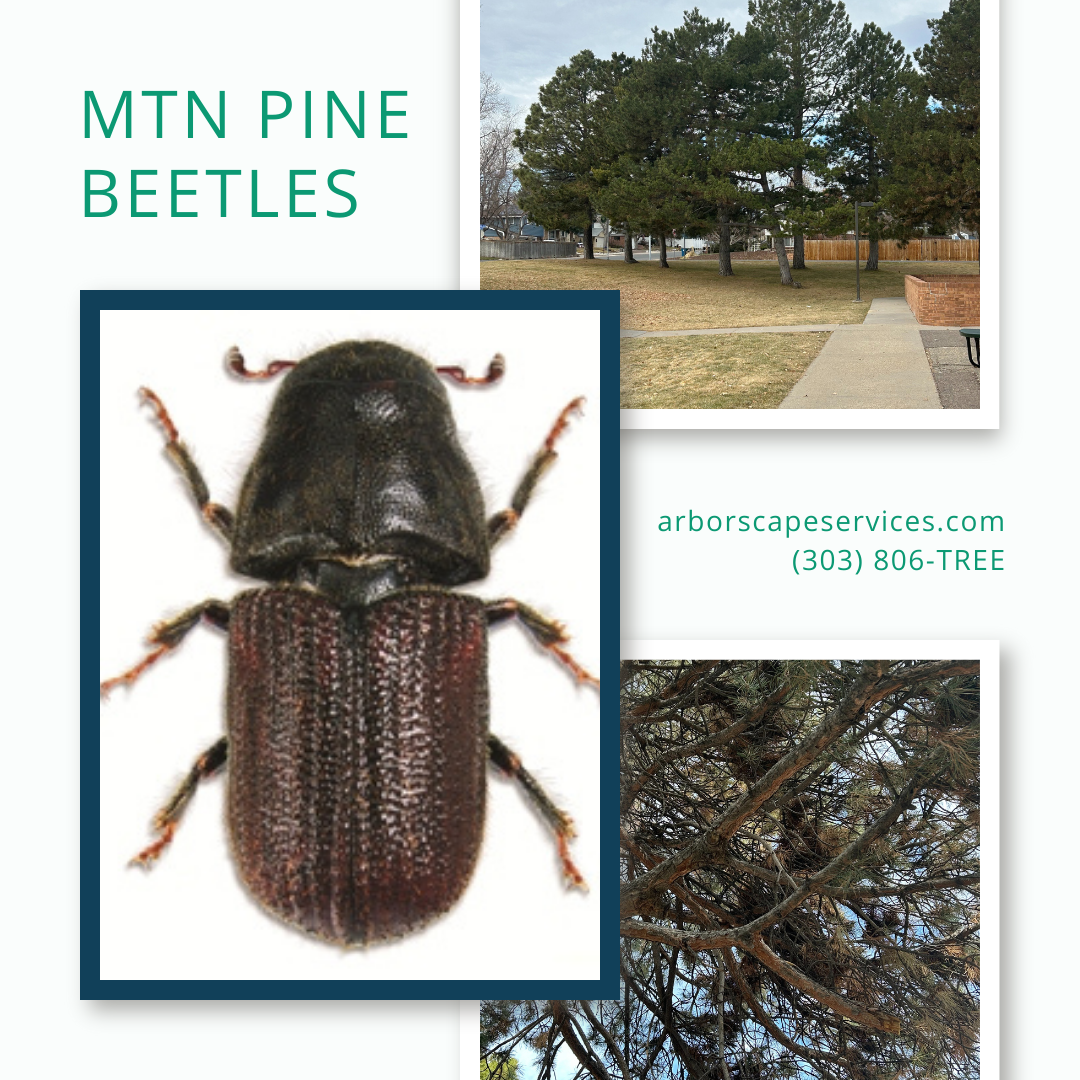
Coming to a tree near you! The Mountain Pine Beetle has made its way into Morrison by route of the 285. Here’s what you need to know. Mountain pine beetles are one of the most dangerous pests to pine trees- which make up a vast majority of Colorado forests. These pine beetles enter the tree by burrowing toward the bottom of the trunk before moving upward to the top of the canopy. In fact, because of this, another symptom of an infestation is seeing the tops of your pines die while the rest of the tree appears in healthy condition.
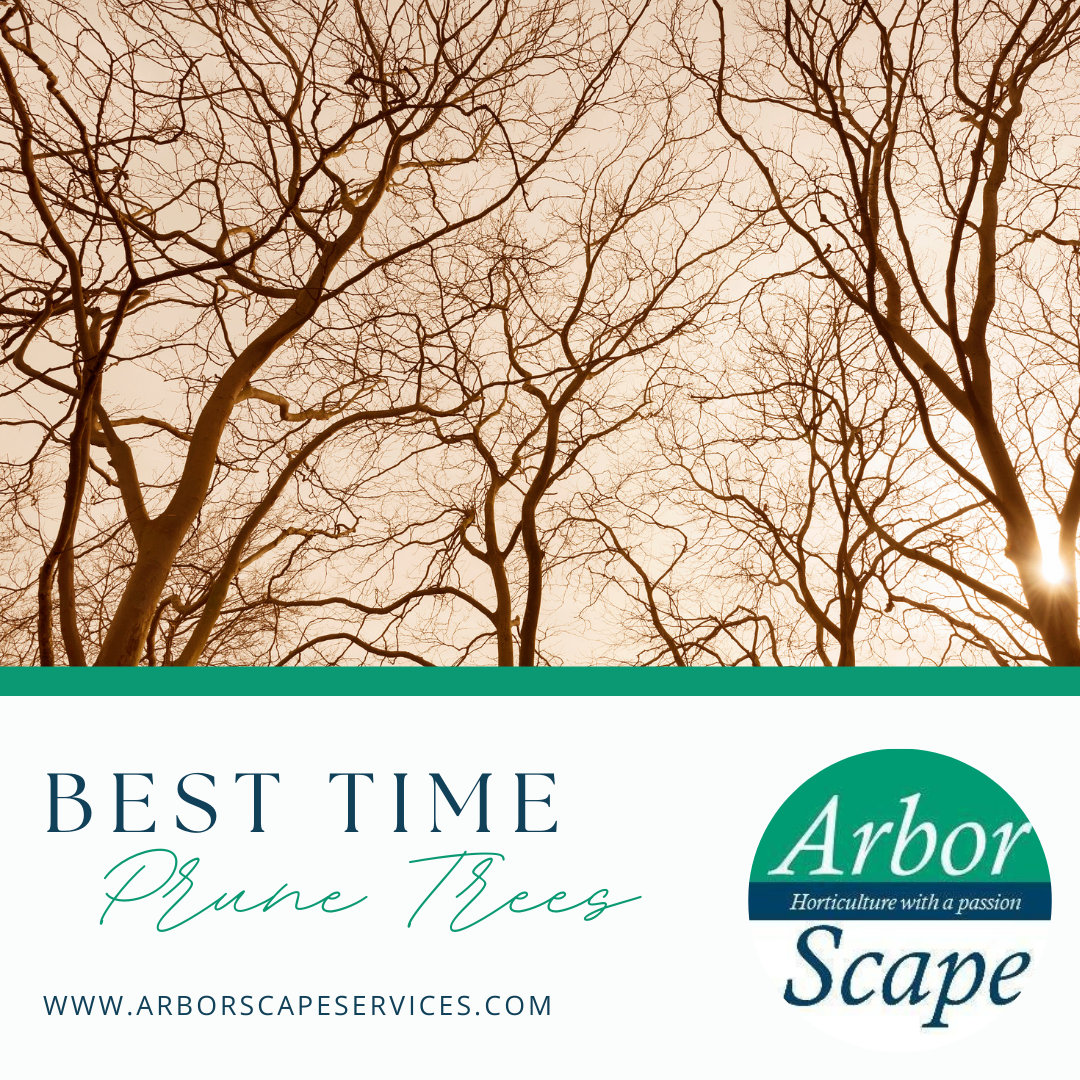
According to the Colorado State Forest Service , late winter is the best time to prune your trees. While there’s never really a bad time to remove dead or misshapen branches from your tree, October through March is the best time of year to prune trees in Denver because trees are less susceptible to pests or disease during their dormant season. Because trees are still dormant in late winter, wound closure will occur sooner if they’re pruned right before new growth emerges. Some of you may wonder how we’re able to determine which branches to prune or remove. Now that most of the leaves have fallen, how can our crew identify what will be able to grow them back come spring? Well, our exceptional crews have the training and experience to know what to look for when pruning your trees. There are a variety of determining factors to figure out how best to treat your tree. First, they begin by assessing the trunk and limbs for anything that may go undetected to the untrained eye. We find things like bud scars on branches, which are simply the leaves of the upcoming season pushing out the old ones. Dead branches are also slightly different in color, so we know what and where to prune for. Secondly, we also use pliability tests to see where to trim. Healthy branches will be bendable and won’t break easily, whereas dead branches will snap clear off. If you think parts of your tree may be dead, you can try bending the branches a bit to see how flexible they are. And lastly, there’s also a scratch test you can perform. Not to be confused with an allergy scratch test, this is where you can use a pocket knife of sorts to scratch at the bark of a branch. If the skin underneath the bark is green, that branch is still alive. If it’s brown, dry, or flaky underneath, the branch is likely dead. If any of your branches look like this, then it’s time for an assessment to see what the next steps are. That’s where we come into play. Here at ArborScape, our certified arborists can assess, diagnose, and treat your trees for your peace of mind. Because despite winter being the best time of year to prune trees in Denver, we know that issues can arise at any given time throughout the year. Whether due to storm damage, age and decay, or other issues, there’s always a likelihood of risk when it comes to a tree’s health. This is why we trim AND remove trees year-round, with very few exceptions. One exception is that fruit trees that have a core, such as apples and pears, and any trees in that species’ family should only be pruned in winter, even if they don’t bear fruit. Not only does this help promote growth the way it would in other trees, but it’s also the best time to treat for Fireblight because of the dormancy of the bacteria. While there may be some hesitation to prune your trees with the frigid temperatures we recently received, don’t worry- your trees won’t freeze. That would only really happen if we had a lot of rain and it got trapped in the trunk before a sudden freeze. We suggest pruning your trees now as a preventative measure to ensure the safety of your tree and the potential risks that could happen in such an event. After all, all it takes is the right snowstorm to snap one of your branches or worse, clear out an entire tree. So, now that you know when the best time of year to prune your trees is, don’t hesitate to give us a call at (303) 806-8733 for a free estimate! Or, head to our website and fill out a contact form . Our team will receive it and do their best to provide an answer asap. Our certified arborists are happy to head out to your area to give a free estimate on any tree care services you may need, whether that’s to prune your trees, fertilize your tree roots, or for soil injections.
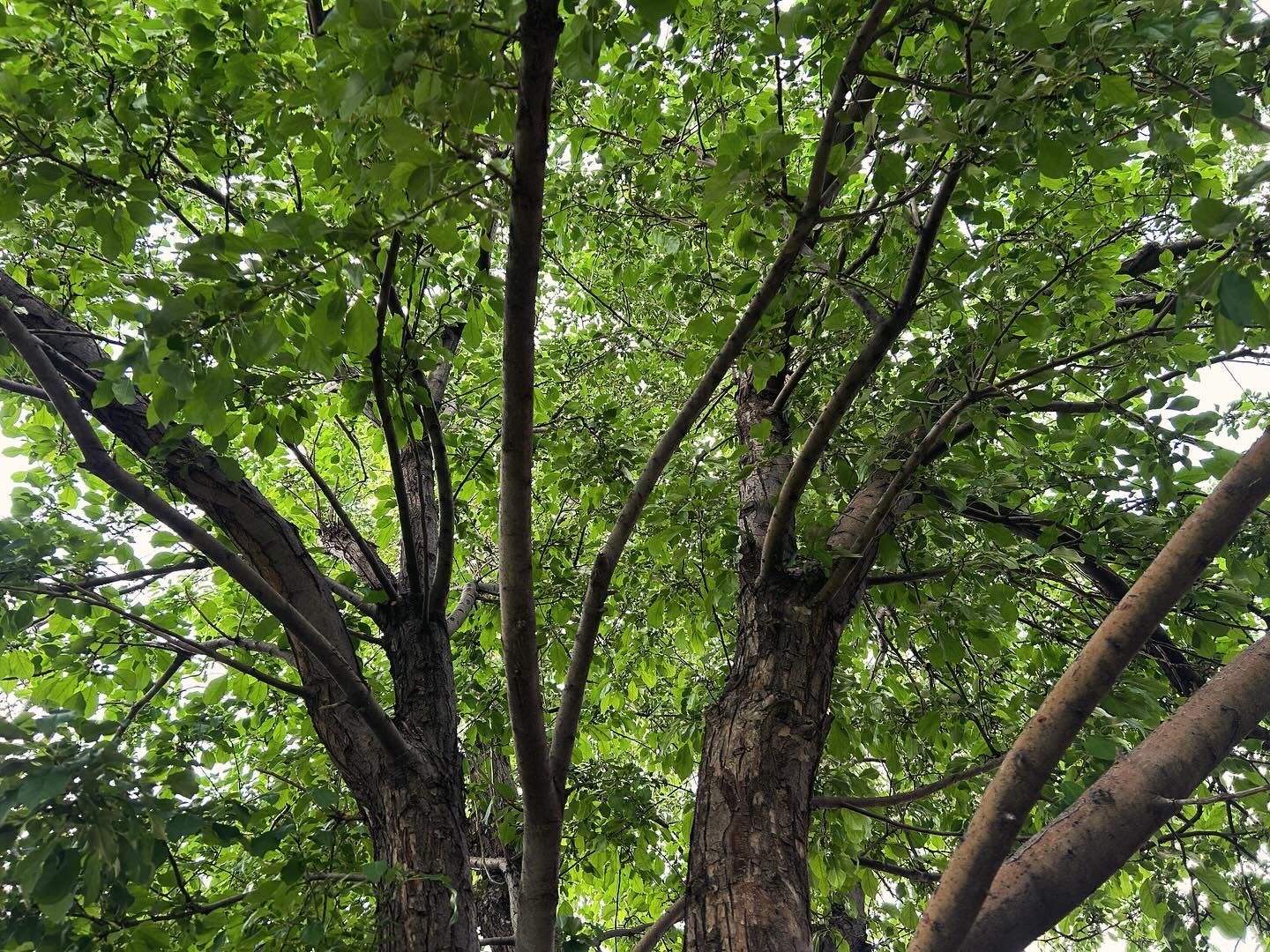
The best time to prune crab apple trees is now! The best time to prune crab apple trees is during the winter, when it’s cold enough to prevent the spread of Fireblight - a destructive bacterial disease that can cause decay and death to trees and shrubs in the Rosaceae family. Symptoms of Fireblight include dark, sunken areas appearing on the bark of the tree, young shoots will wither up similar to what we call, a “shepherd’s crook”. If your tree bears fruit, that fruit may end up end up shriveled and black. While there is no true cure, trimming out the infected areas can make a huge difference in the overall health of the tree. If infection is bad enough, our arborists can sometimes recommend a round of Cambistat to help slow the spread. Cambistat is a growth regulator that provides long-lasting reduction in tree growth. If the tree isn’t growing, the bacteria isn’t spreading. Regardless of whether your crab apple tree has Fireblight or not, it’s recommended to prune crab apple trees before the beginning of April, which means we only have a few weeks left to perform this tree service. However, with how quickly it’s warming up, you may start to see your crab apple trees blooming sooner rather than later, which means it’s better to prune sooner rather than later. Give ArborScape a call at (303) 806-8733 for a free estimate and to get on our schedule to prune your crab apple trees! *For any other tree trimming or removal services, ask us about scheduling before March 31st to get a 10% discount!
Share On: